
California fire season 2026: the landowner briefing
The maps changed, the rules are tightening, and the season is here. A mid-2026 briefing on what California landowners face — and what's still worth doing in July.
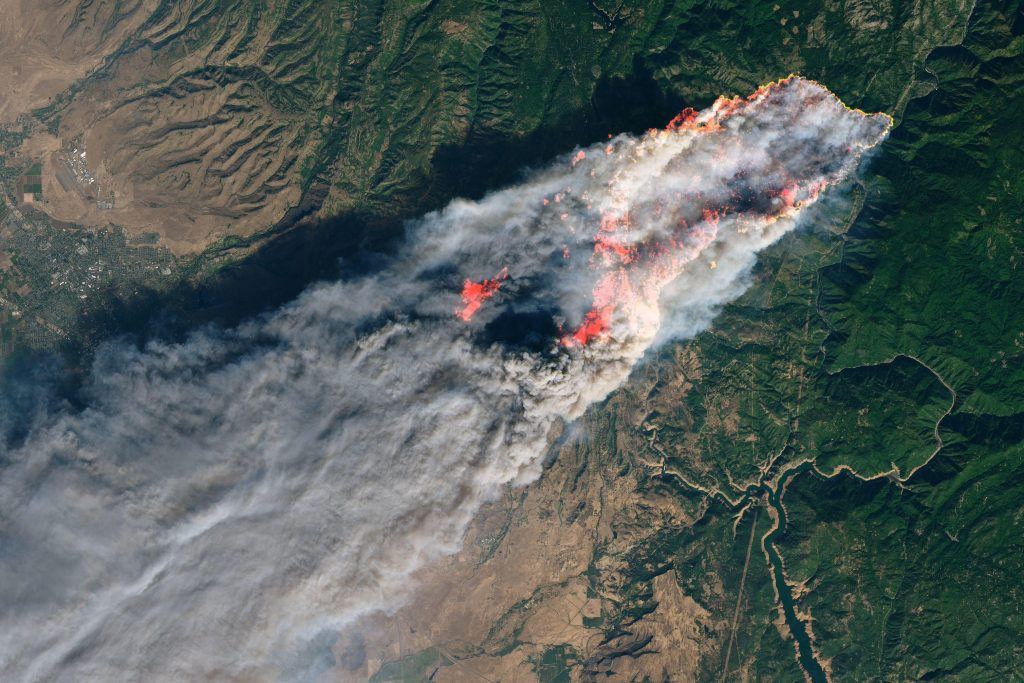
Mid-July: the grass is cured, the season is on, and the rules around it changed more in the last eighteen months than in the previous decade. Here's where things stand for California landowners in 2026 — what's new, what's pending, and what's still worth doing this late in the year.
What's different in 2026
- The hazard maps are now real. CAL FIRE's 2025 redraw — the first comprehensive revision since 2007 — added roughly 1.4 million acres to high and very-high zones, and local governments have adopted them. If you haven't checked your parcel since, do it: obligations attach to the designation.
- Zone 0 is pending but inevitable. The Board of Forestry's ember-resistant-zone regulation is still being finalized (an updated draft landed in April 2026), with phased compliance starting with new construction and very-high-hazard zones. Insurers aren't waiting — the smart move is compliance now.
- Insurance keeps tightening. The FAIR Plan passed 680,000 policies and announced another rate increase for this fall. Documented mitigation is the lever that still works — here's the playbook.
- Grazing got statutory backing. SB 675's prescribed-grazing grant pathway is being implemented, and CAL FIRE's prevention grants explicitly fund grazing projects. The funding guide covers who qualifies.
The memory driving all of it
Behind every one of those changes sits January 2025 — the Palisades and Eaton fires, 16,000+ structures lost, insured losses of $28–35 billion, and total economic damage estimated above $250 billion. Regulators, insurers, and legislators are all reacting to the same event, and the direction is uniform: more mapped obligations, more inspections, more pricing of visible fuel. Landowners who get ahead of it are buying insurance in both senses.
What's still worth doing in July
The ideal fuel-reduction window (March–May) is past, but mid-season work is far from pointless:
- Zone 0 and Zone 1 tasks are season-proof — clearing gutters, moving woodpiles, cutting the dead material near structures matters most exactly now. The free checklist walks it.
- Grazing still beats machines in July — cured grass and brush can't be mowed safely on red-flag days, but goats work through fire season with zero spark risk. Inspection notices cluster in summer; we handle a steady stream of "the county gave me 30 days" projects.
- Book the fall/winter invasives pass — blackberry, broom, and ivy projects run in the off-season, and the calendar is friendlier.
- Get on next spring's calendar now — the properties that sail through fire season 2027 are the ones booking January–February.
The bottom line
2026 is the year the paperwork caught up with the fire risk: mapped, inspected, priced. The physical answer hasn't changed — keep the fuel down, every year — but the incentives for doing it have never been stacked higher. Wherever you are in the season, the two-minute assessment is the fastest way to find out what your property needs.
Sources
- OSFM — Fire Hazard Severity Zones
- Board of Forestry — Draft Zone 0 rule (April 2026)
- California FAIR Plan — Key statistics; KPBS — FAIR Plan rate increase (June 2026)
- UCLA Anderson — Economic impact of the LA fires
- California Legislature — SB 675
Mid-season is still prevention season
Talk to a real person about your property and get a free estimate over the phone — we serve properties across California and generally require about a 5-acre minimum per project.
Call 1-858-751-GOATSee how it works