
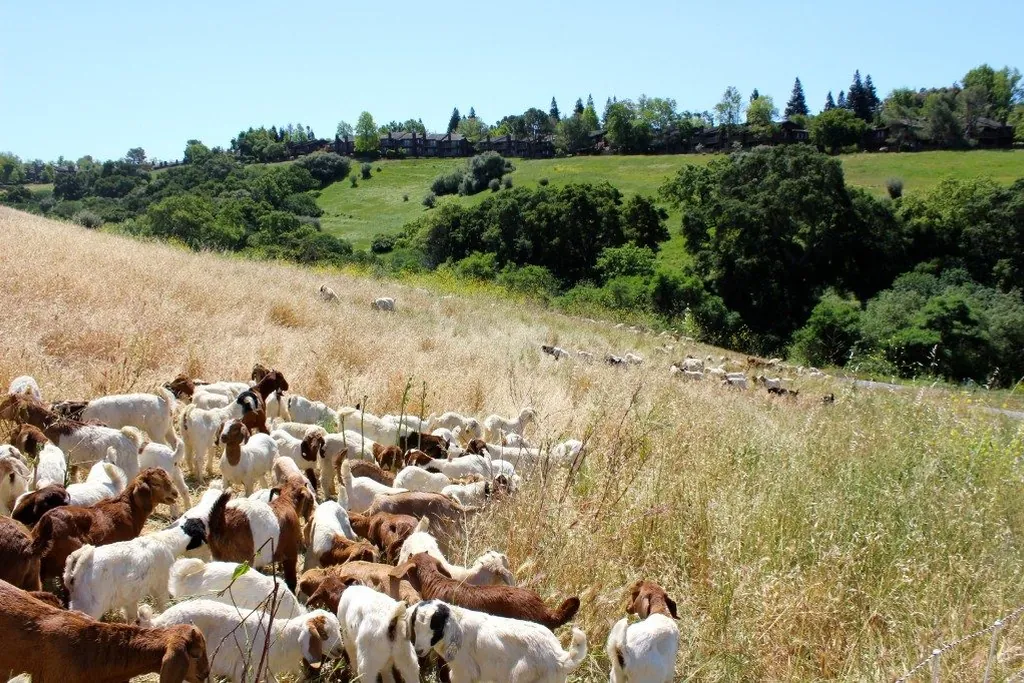
A Landowner's Calendar for Fire Season: What to Do Each Month
Fire season starts before the fires do. A simple calendar of what to do each part of the year, with the caveat that your local fire agency sets the real dates.
Read the guide →Straightforward, sourced answers about using goats for brush clearing, weed control, and fire-fuel reduction across California — what the research shows, how goats compare to other methods, and who's putting herds to work.
The complete ten-chapter guide to targeted grazing — animals, plants, fire science, law, and costs — with a free pocket ebook edition.
Every Zone 0/1/2 task on one printable page, based on CAL FIRE guidance — plus when to book fuel-reduction work.
A working grazier on voltage, testing, grounding, netting and predators — with chapters, a checklist and the full transcript.
Wildfire news, research roundups, and project case studies — the ongoing companion to the guides on this page.
Fire season starts before the fires do. A simple calendar of what to do each part of the year, with the caveat that your local fire agency sets the real dates.
Read the guide →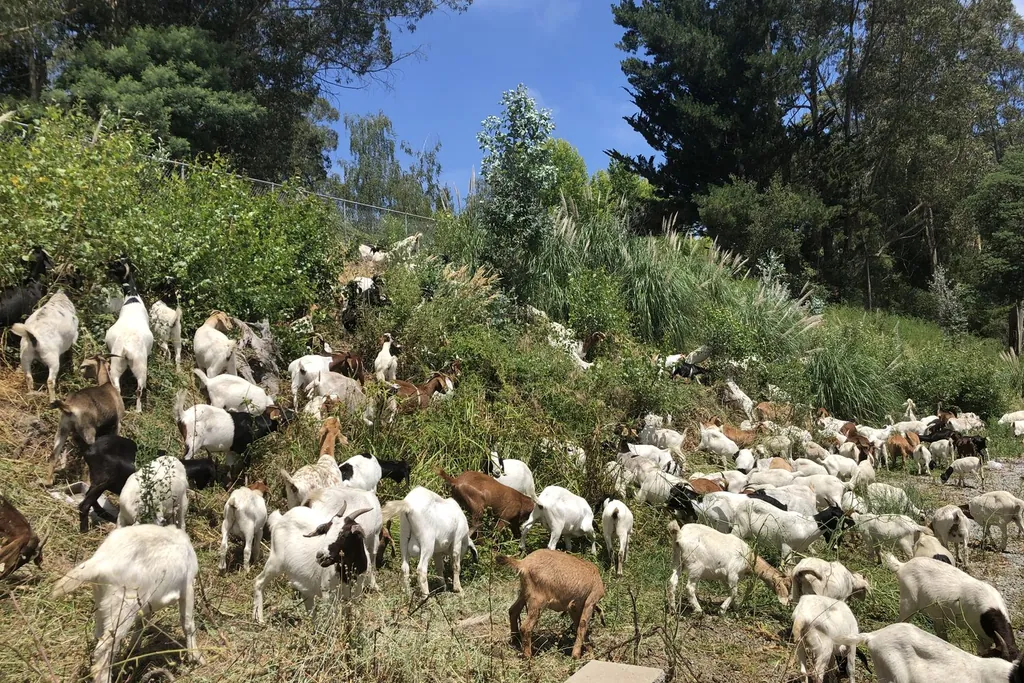
A strip of short, thin vegetation around the edge of a property slows a fire and gives people a place to work. How goats build one and where they need help.
Read the guide →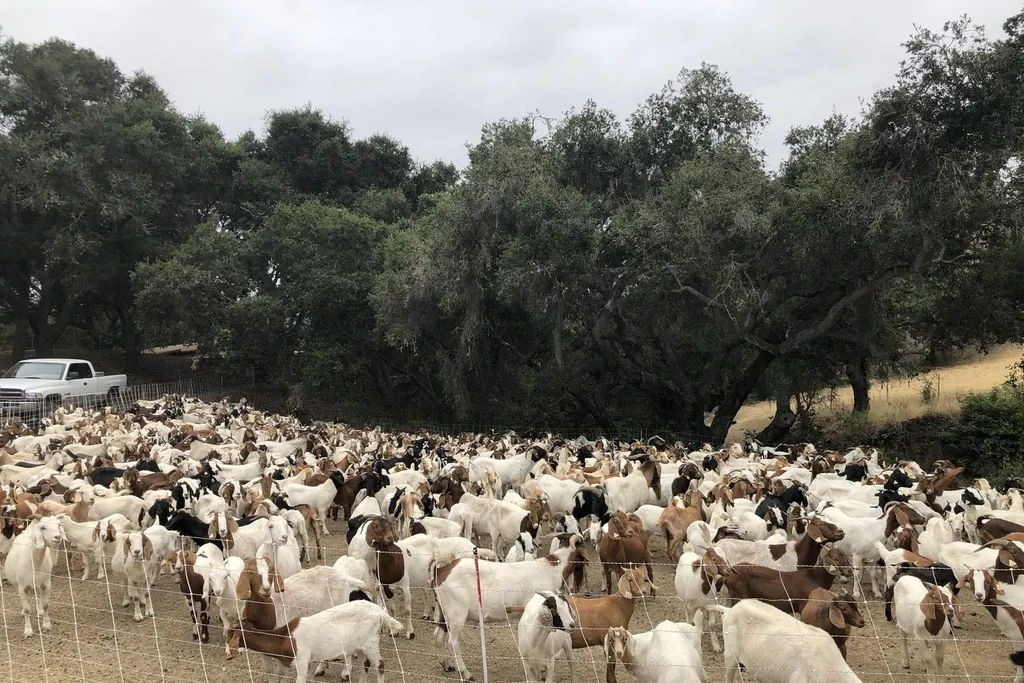
Rain is good news until June. A wet winter grows the grass that burns fastest. How to think about spring, and when the clock runs out.
Read the guide →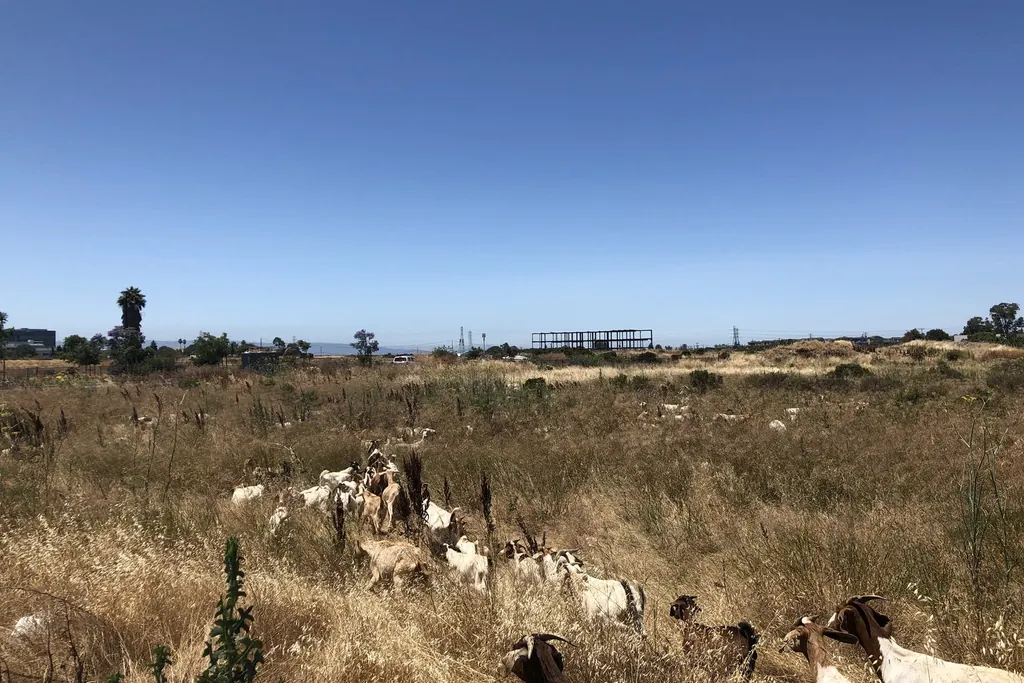
The notice has a deadline, an inspector and a threat of extra charges. Here is how to read it, what to do first, and where goats can and cannot help.
Read the guide →
The 100-foot rule is law, inspections are getting stricter, and ember-resistant Zone 0 requirements are on the way. Here's what California property owners are actually required to do.
Read the guide →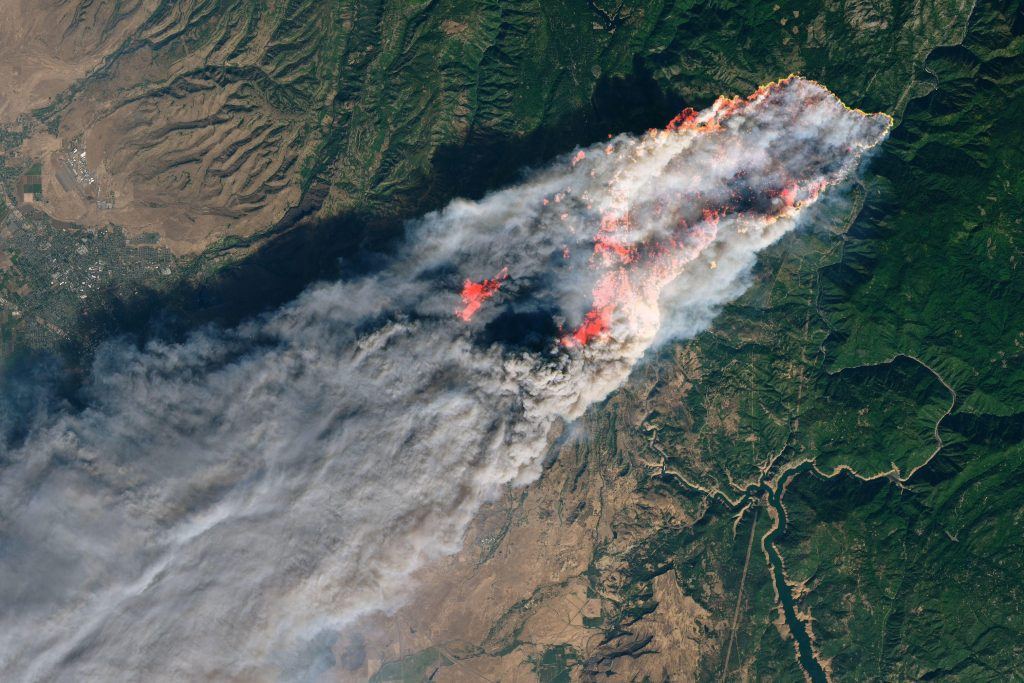
Suppression budgets, insured losses, insurance markets in retreat — the bill for California wildfires keeps growing. Here are the real numbers, and why prevention is the cheapest line item.
Read the guide →CAL FIRE redrew California's fire hazard maps in 2025 — the first full revision since 2007 — and 1.4 million more acres landed in high-hazard zones. Here's how to check yours and what it triggers.
Read the guide →Over 680,000 California properties are now on the FAIR Plan. Here's how the insurance ladder actually works — and how documented mitigation, including fuel reduction, moves you back up it.
Read the guide →
You might not have to pay for fuel reduction yourself. California and federal programs explicitly fund prescribed grazing — here's who qualifies, where to apply, and how to write grazing into a winning application.
Read the guide →The maps changed, the rules are tightening, and the season is here. A mid-2026 briefing on what California landowners face — and what's still worth doing in July.
Read the guide →The Pacific Northwest now faces serious fire seasons of its own. Here’s the Washington wildfire picture and how goat grazing cuts the brush that feeds fires.
Read the guide →Goats are showing up on hillsides from Los Angeles to the Bay Area ahead of fire season. Here is what the science actually says about grazing, fine fuels, and defensible space.
Read the guide →
Utility corridors are long, narrow, brushy and hard to mow. Why grazing suits them, where the limits are, and the questions to ask if an easement crosses your land.
Read the guide →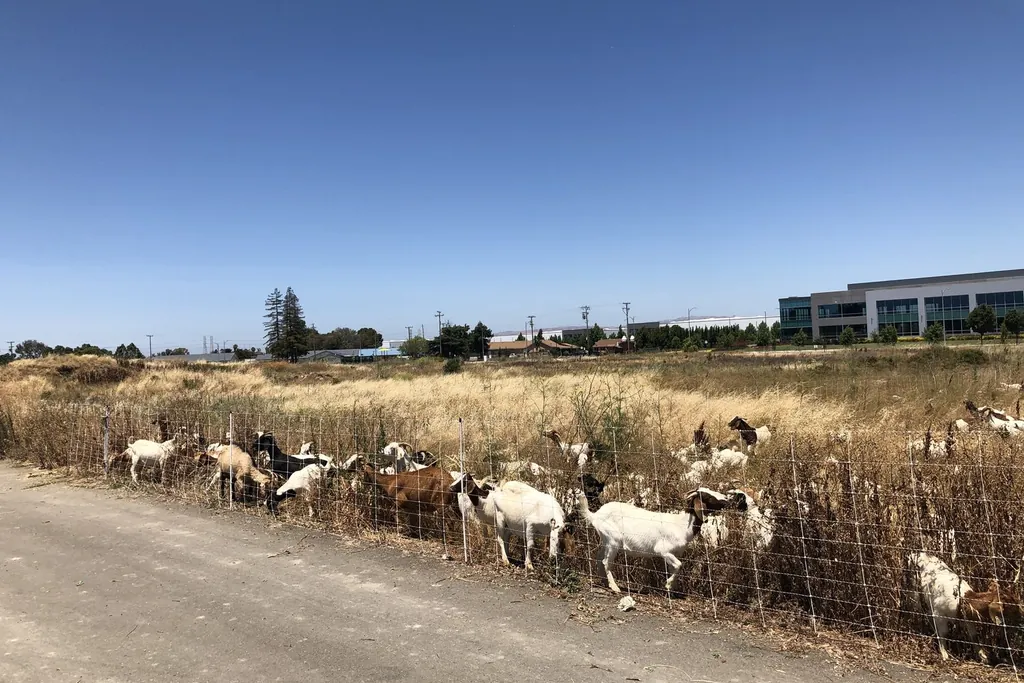
Land that belongs to a congregation, a school or a camp tends to be big, overgrown and short of budget. When goats are a good fit and when they are not.
Read the guide →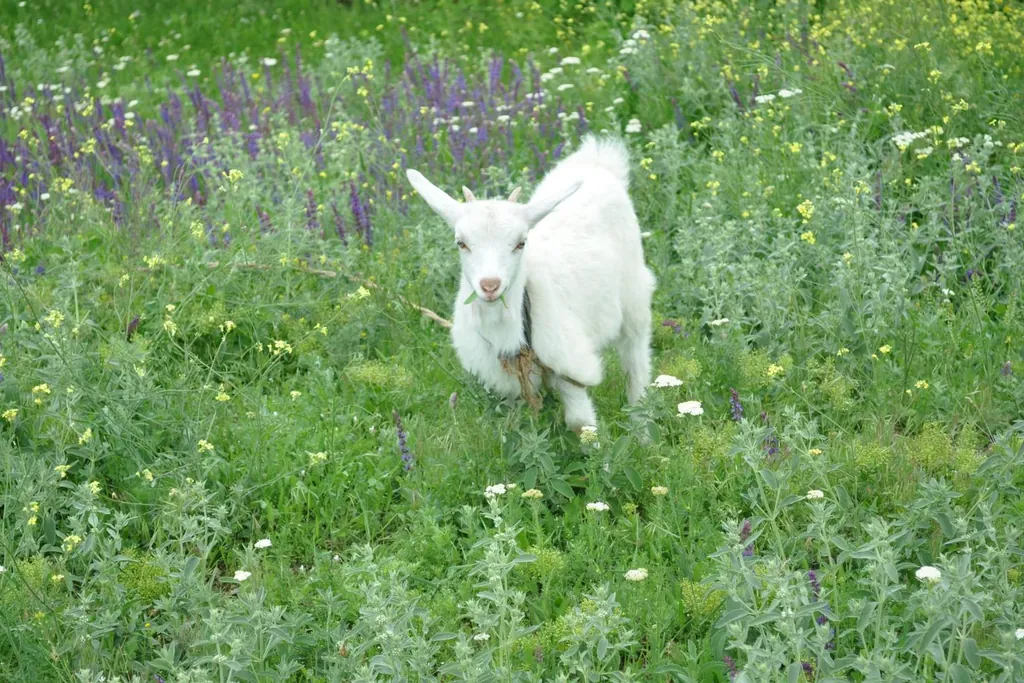
A fair worry: if goats eat the weeds, do they also plant them? What research says about how many seeds survive, and what a careful herder does about it.
Read the guide →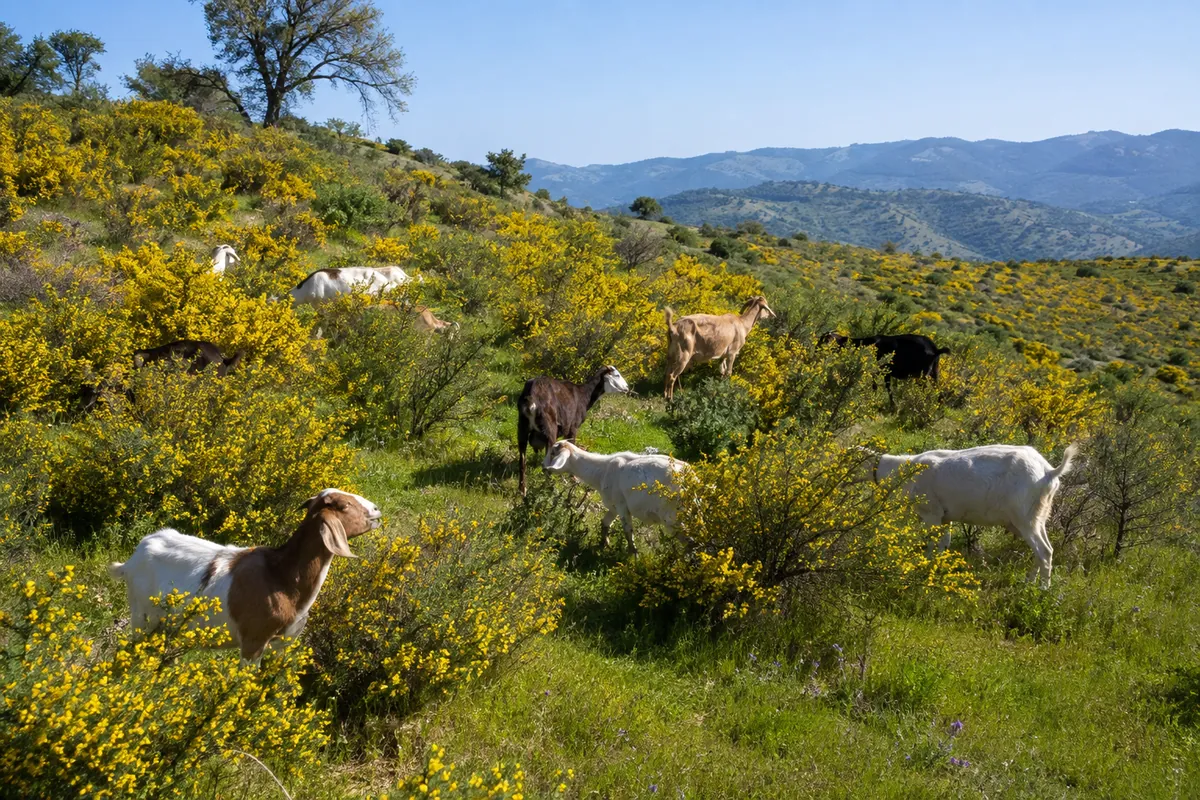
Broom is easy to eat and hard to finish. Goats help most as follow-up after cutting, and only if the grazing continues until the seeds run out.
Read the guide →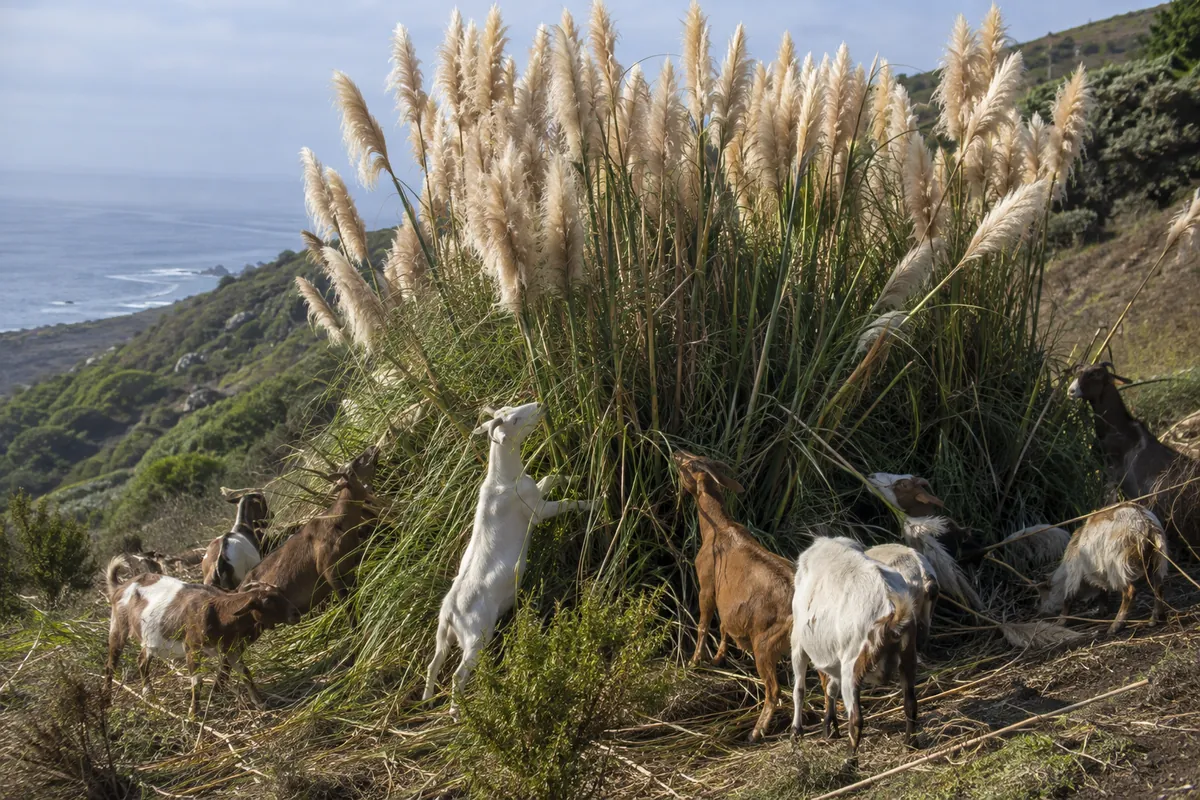
Big plumed grass, huge fire hazard, and a plant that bounces back from grazing. An honest look at what goats can do and what needs a shovel.
Read the guide →
Goats love blackberry, and blackberry always comes back. What the research says about how many seasons it takes and why stopping early wastes the work.
Read the guide →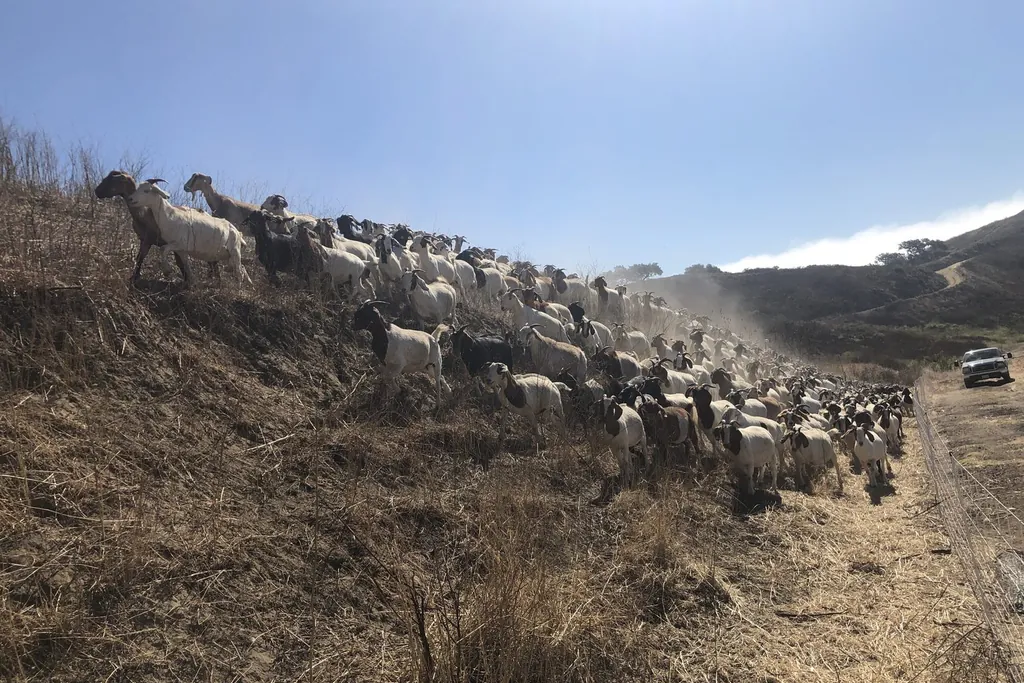
A mower will not go where a goat will. But slopes are not free, and some are too steep even for the herd. Here is how the work is actually set up.
Read the guide →"Goats eat anything" is a myth, and a dangerous one. Some common California plants can seriously harm a herd. Here is what we look for before the goats arrive.
Read the guide →
Municipal buyers and HOA boards often don't know how to scope a grazing bid so it gets fair, comparable quotes. Here's what to put in the RFP.
Read the guide →One grazing pass knocks vegetation down. A standing annual contract is what actually keeps it down — here's how large landowners structure recurring grazing programs.
Read the guide →Before you compare quotes, it helps to know what you’re actually paying for — and what each method quietly can’t do. A look at the real costs and limits behind machines, chemicals, and hand crews.
Read the guide →
It's not your imagination — clearing brush in California costs more than almost anywhere. Chemicals are restricted, labor is expensive, and slopes eat machines. Here's the breakdown.
Read the guide →
They get lumped together, but sheep and goats eat completely different landscapes. Here's how to tell which one your property needs — and when the answer is both.
Read the guide →
The weed that can kill your horse is lunch for a goat. Here's how horse-property owners clear yellow starthistle — without spraying the pasture their horses graze.
Read the guide →
Every brush-clearing method has trade-offs. Here is an honest side-by-side of goats against the machines and chemicals people usually reach for first.
Read the guide →
The herd leaves and the ground looks bare. What that means, what happens over the next few weeks and what you should do before the weeds come back.
Read the guide →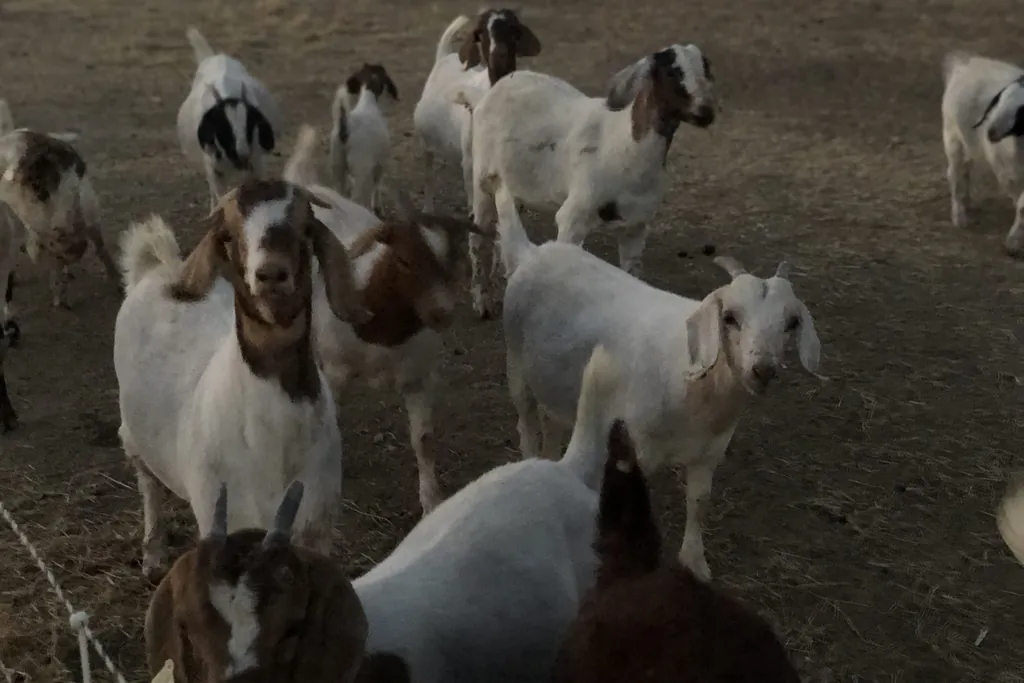
Goats will eat anything. Goats fireproof a property. One visit does it. Ten things people believe about goat grazing, sorted into true, false and "it depends."
Read the guide →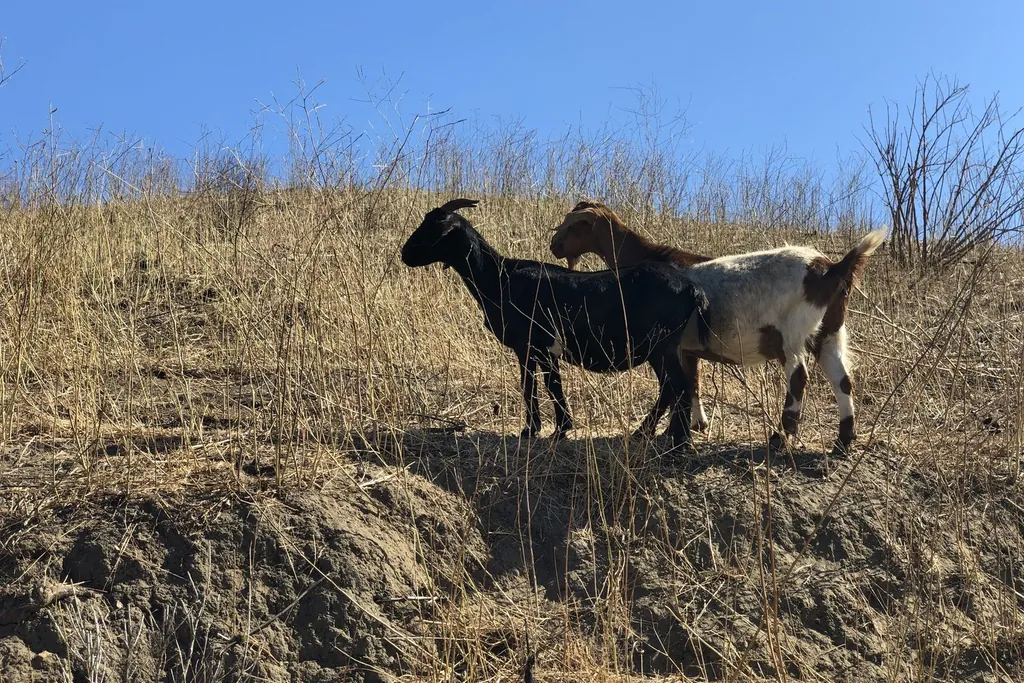
The herd does the eating. The herder does the paying attention. A plain list of what gets checked on a working day, and why each check matters.
Read the guide →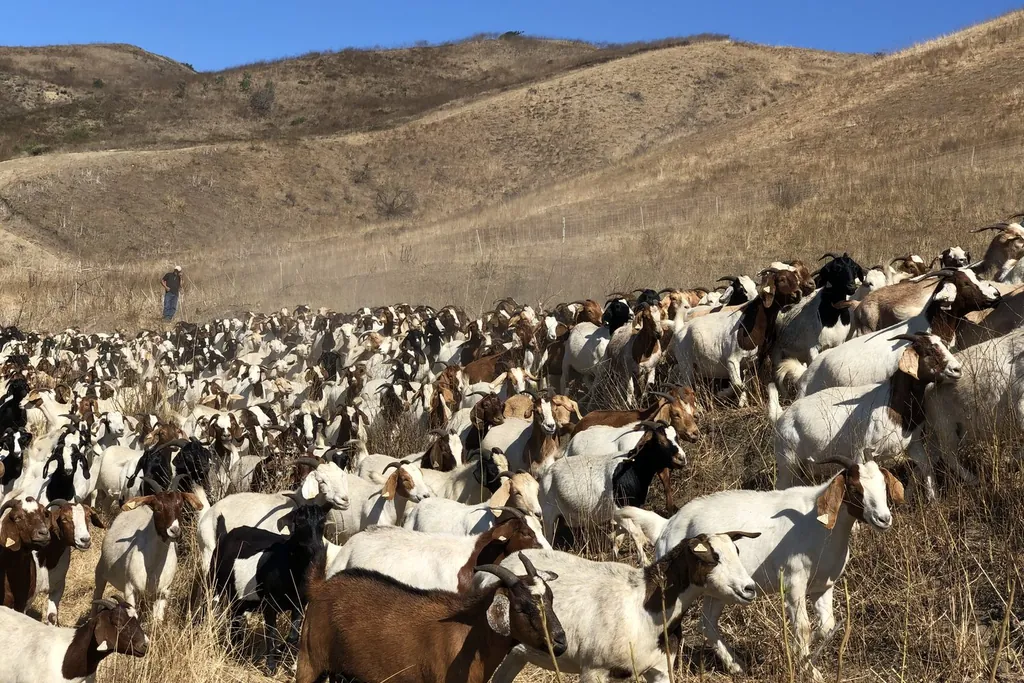
Goats are tougher than they look, but not indifferent to weather. How heat, rain and wind shape the schedule, and why the answer is sometimes to wait.
Read the guide →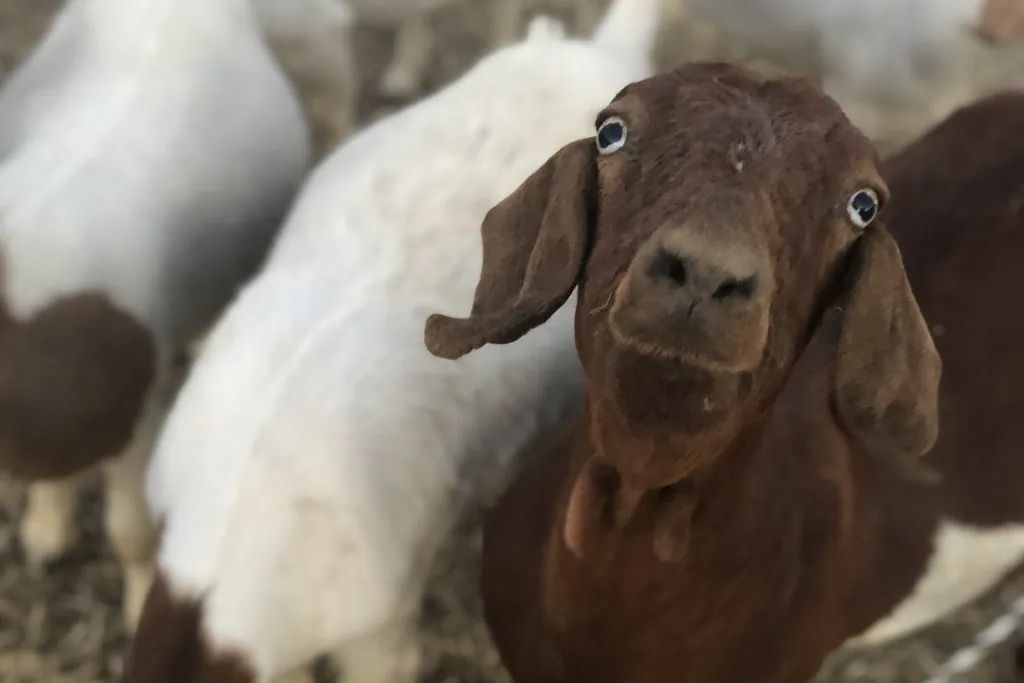
Everyone wants to pet the goats. Most of the time that is fine from a distance. A few simple rules keep the animals, the dogs and the visitors safe.
Read the guide →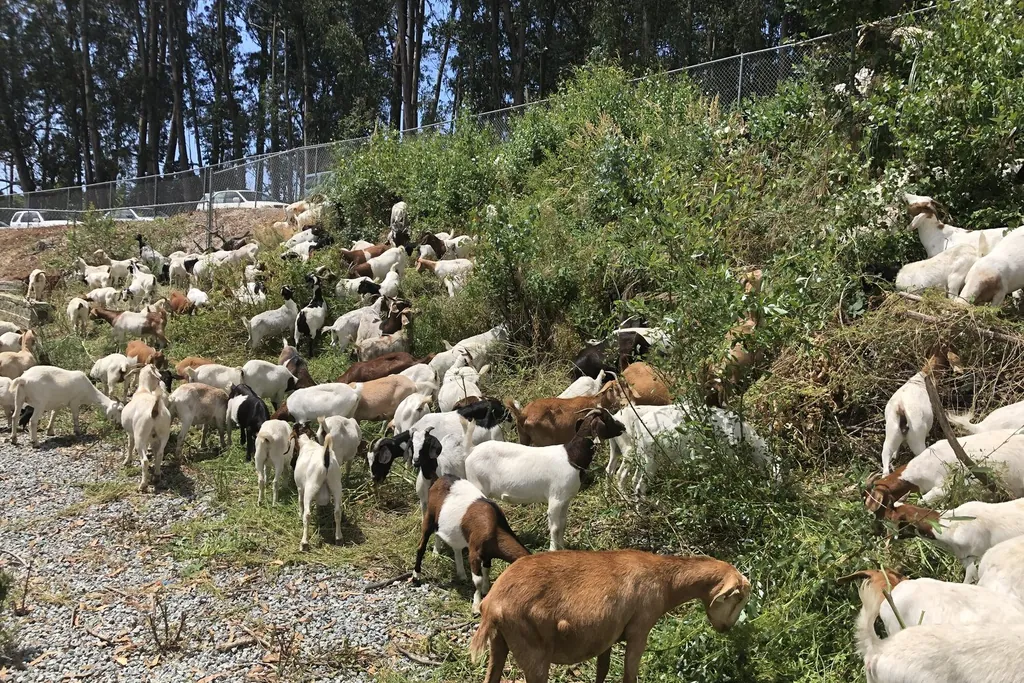
A herd of goats is a surprise on a quiet street. What neighbors tend to notice, what is worth warning them about, and what a short note can head off.
Read the guide →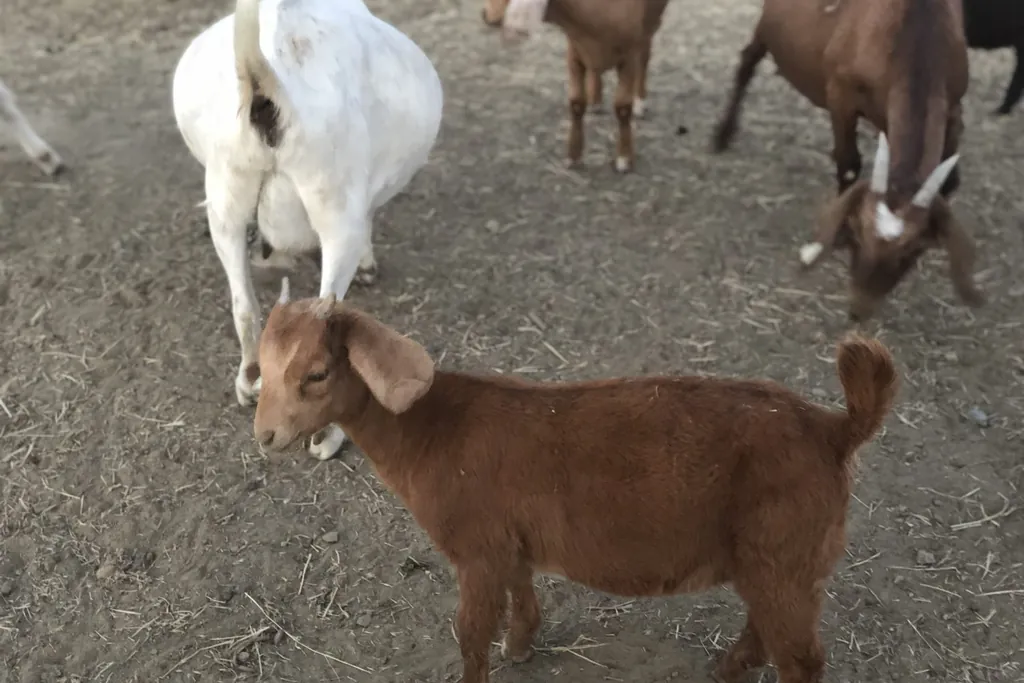
Two quotes for the same property can look very different. What each line covers, what is easy to leave out, and how to compare them honestly.
Read the guide →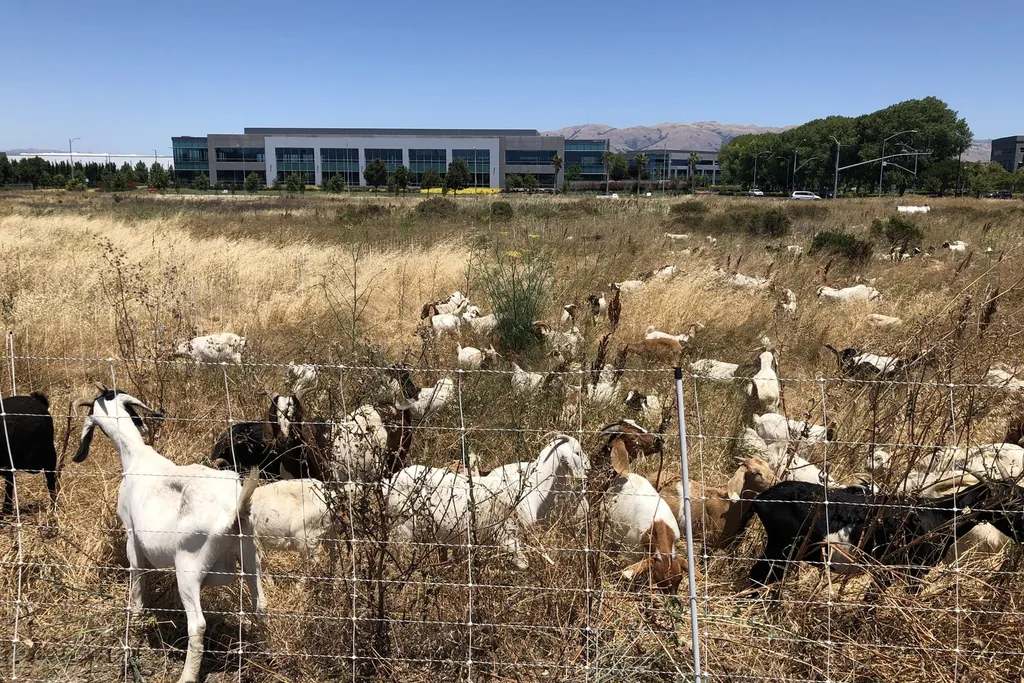
Most problems on a grazing job are not the goats. They are the things nobody mentioned: a buried drip line, an old well, a pile of scrap wire.
Read the guide →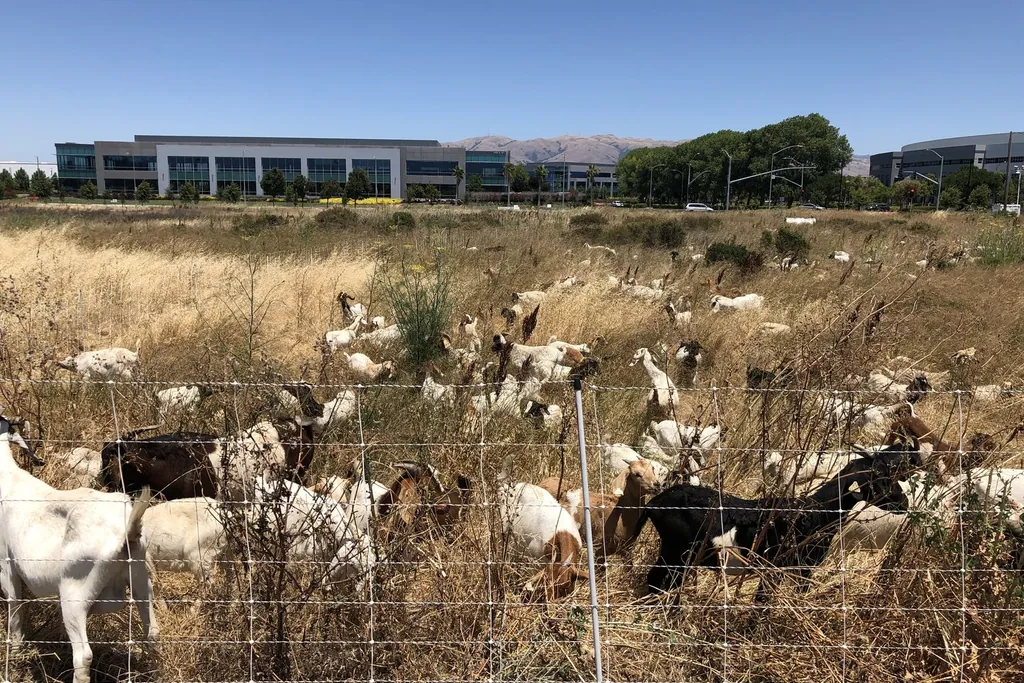
Goats do not know which plants are weeds. The fence does. How the line gets drawn between the brush you want gone and the garden you want to keep.
Read the guide →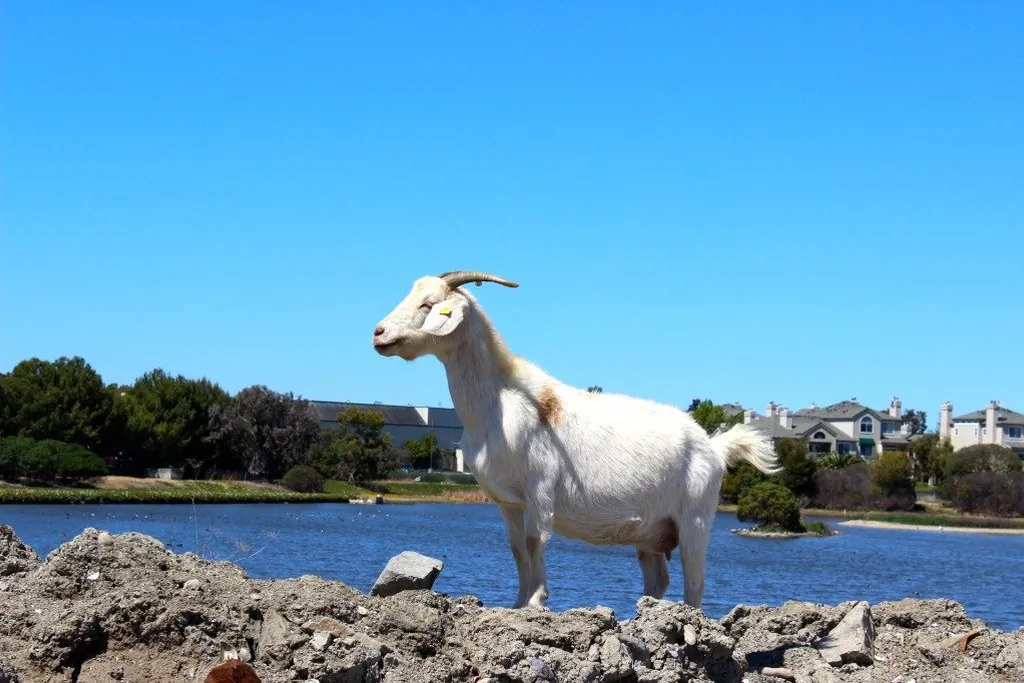
Goats are hard on young trees and easy on old ones. Here is how to tell which yours are, and how we keep the herd off the trees you care about.
Read the guide →Goat grazing is a real service with real risks. Ask these twelve questions before you hire anyone, including us.
Read the guide →Buying goats sounds cheaper than renting them. For most properties it is not. Here is the full picture, including the cases where it is.
Read the guide →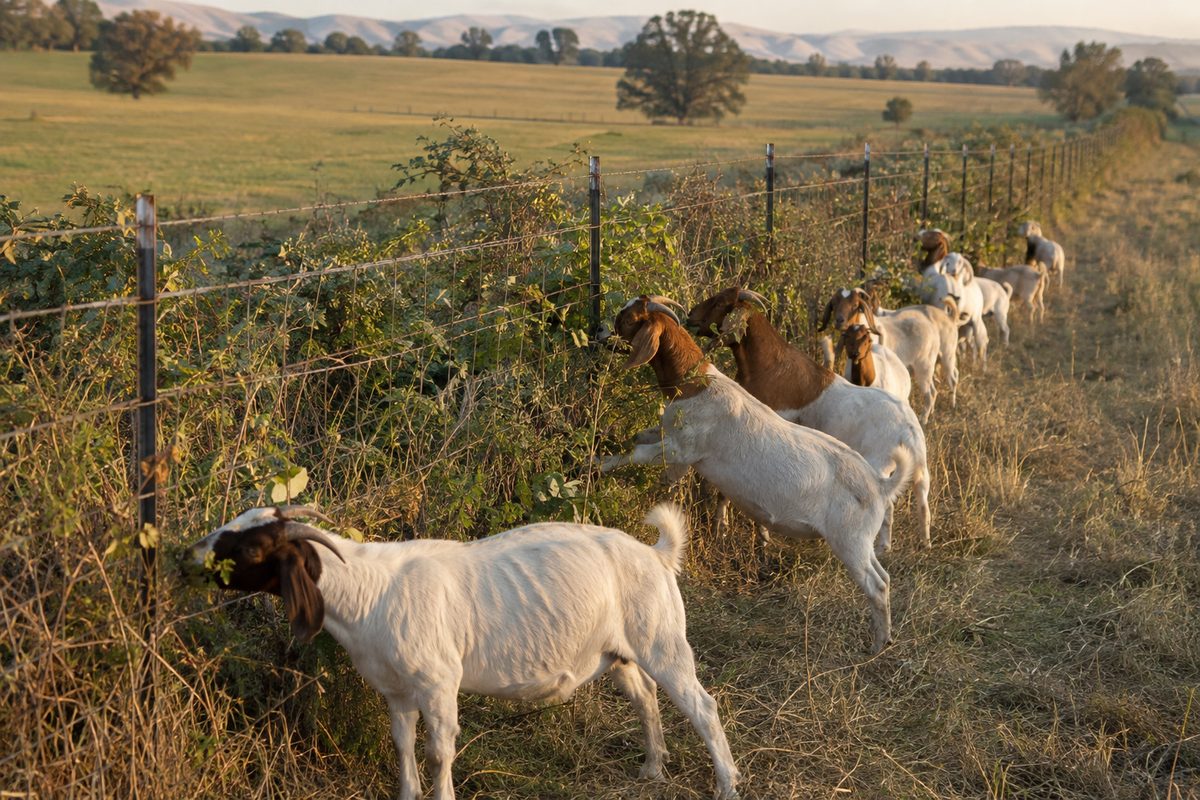
A little preparation makes a grazing project faster, cheaper and safer for the herd. Here is what to do before the trailer arrives.
Read the guide →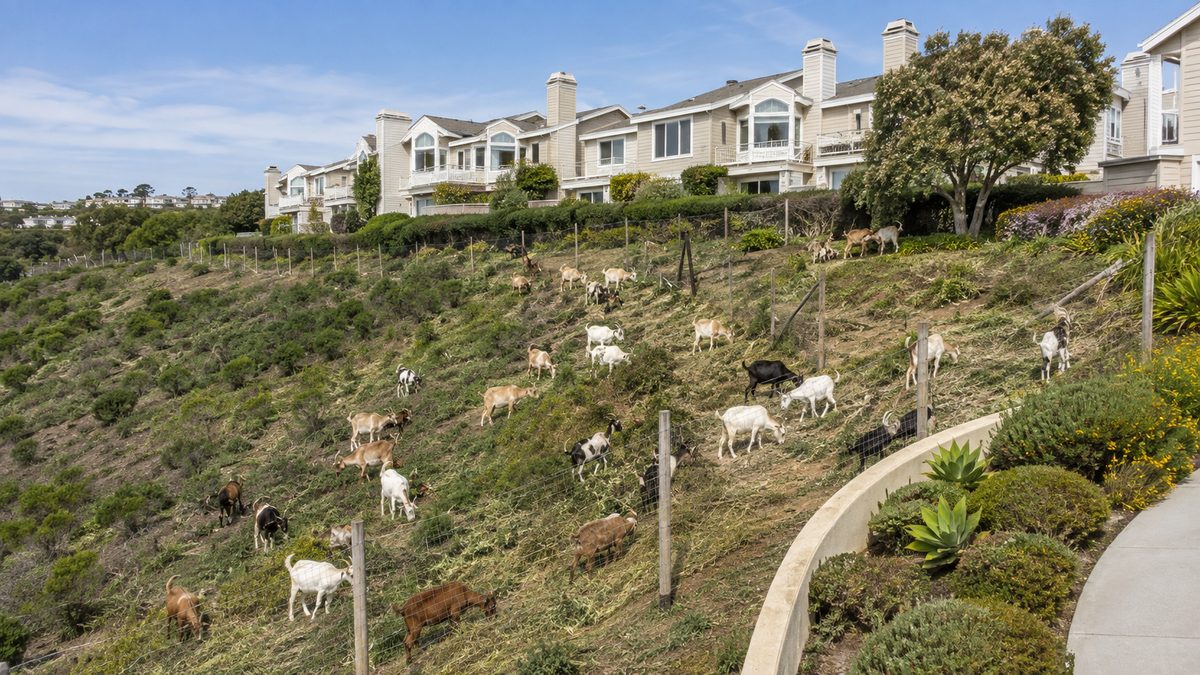
Most professional herds work on projects of about 10 acres or more. If yours is smaller, you are not out of options. Here is what actually works.
Read the guide →A dozen goats can clear a backyard. Clearing 50, 100, or 500 acres before a deadline takes a different kind of herd entirely — here's the math behind why we scaled up.
Read the guide →
Fair question, and we welcome it. Here's how grazing herds actually live and work — and why a brush-clearing job is about the best gig a goat can get.
Read the guide →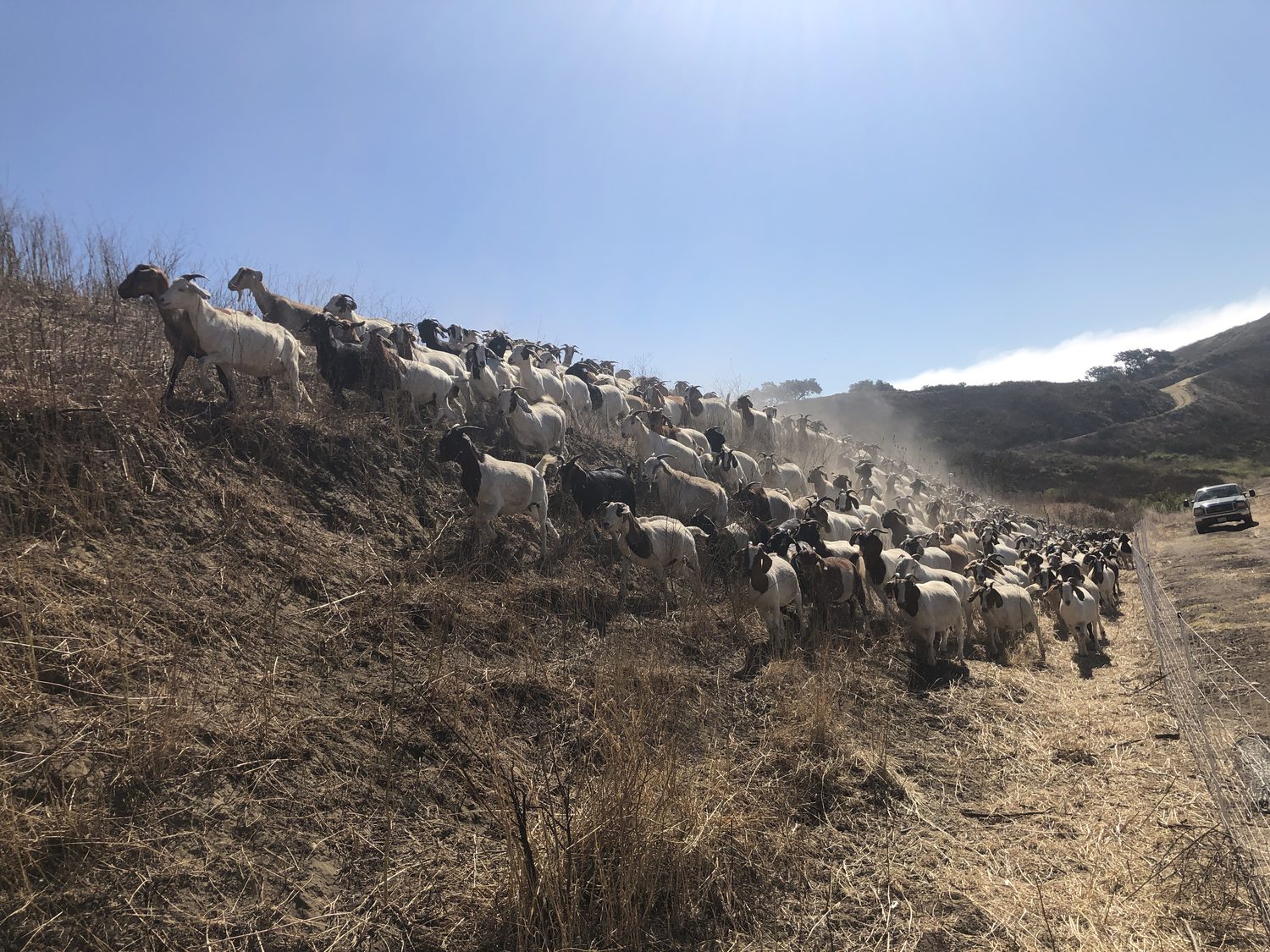
Grazing is seasonal, calendars fill fast, and the best window is earlier than most people think. Here's the honest month-by-month guide to timing your project.
Read the guide →Thinking about hiring goats but not sure what you’re signing up for? Here’s the whole process, start to finish, with no surprises.
Read the guide →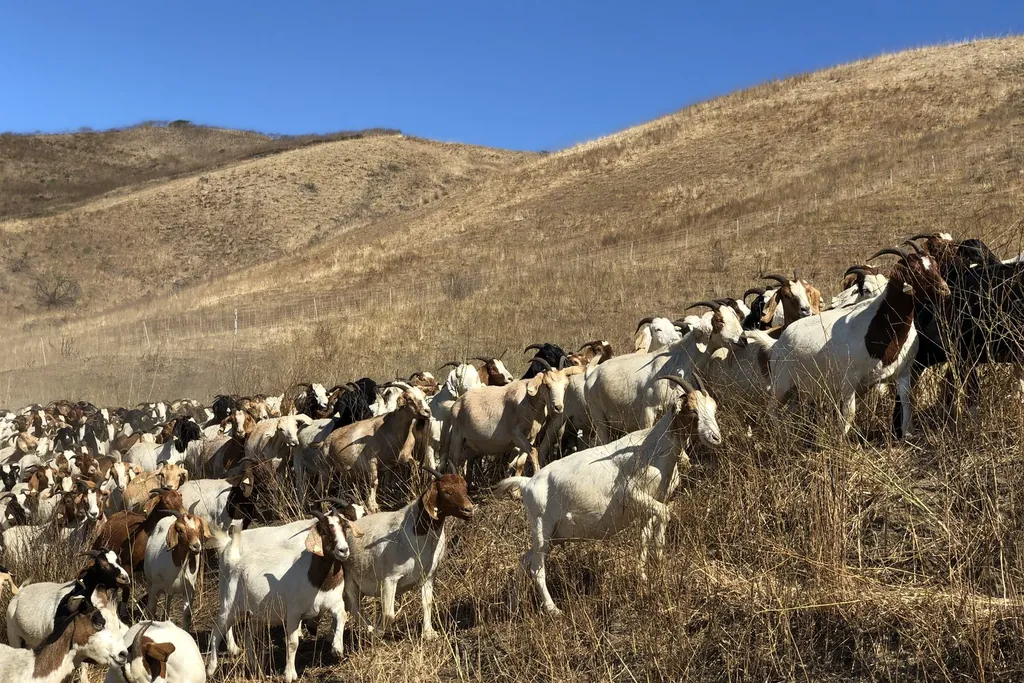
People still ask about the episode. Here are the questions we get most, answered straight, with photos of the herd and a video from the man who stood in the Tank with the goats.
Read the guide →Goat grazing stopped being a novelty the moment Fortune 500 companies, fire departments, and federal agencies started writing it into their budgets. Here's the roster — and the reasons.
Read the guide →Goat grazing makes great television — and great copy. Here’s a tour of Rent A Goat’s national media coverage since 2010, and why reporters keep coming back.
Read the guide →The founders walked into the Tank asking for $150,000. The Sharks said no. Here’s what happened on the show — and how the business grew anyway.
Read the guide →Goat grazing has gone from novelty to mainstream land-management tool in California. Here is a look at the cities, counties, and utilities putting herds to work.
Read the guide →Talk to a real person about your property and get a free estimate over the phone — we serve properties across California and generally require about a 10-acre minimum per project.
Call 1-858-751-GOATGet a Free Estimate